ASTM A 453 GR 660 Class D Stud Bolts Manufacturer Supplier & Exporter in Sao Paulo, Brazil
ASTM A453 Gr 660 Class D Stud Bolt, ASME SA 453 GR 660 CLASS D Stainless Steel Threaded Rods, SS ASTM A453 Tie Rod, Gr 660 Class D Tie Bar in Sao Paulo, Brazil.
Table of Contents
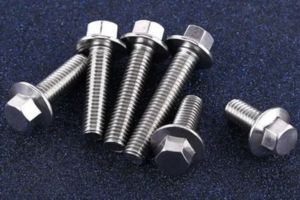
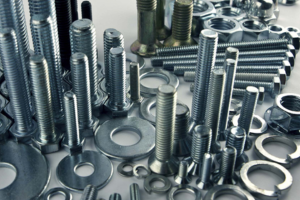
ASTM A453 Grade 660 Class D Stud Bolts are premium-grade fasteners engineered for harsh conditions, delivering superior mechanical performance and resistance to corrosion. They serve in tough applications such as petrochemical facilities and offshore rigs, guaranteeing reliable joints under conditions of high pressure and temperature.
ASTM A 453 GR 660 Class D Stud Bolts Specifications
Material
Dimensions
Standards
Size
Length
ASTM A 453 GR 660 CLASS D Studbolts
ASME B18.2.1, B18.3
ASTM, ASME
M 02 to M 160
3 mm to 200 mm
Mechanical Properties of ASTM A 453 GR 660 Class D Stud Bolts
ASTM A 453 GR 660 Class D Stud Bolts Chemical Composition
Element
Content
Carbon
0.08 max
Manganese
2.00 max
Phosphorus, max
0.040 max
Sulfur, max
0.030 max
Silicon
1.00 max
Nickel
24.0-27.0
Chromium
13.5-16.0
Molybdenum
1.00-1.50
Tungsten
–
Titanium
1.9-2.35
Aluminum
0.35 max
Vanadium
0.10-0.50
Boron
0.001-0.010
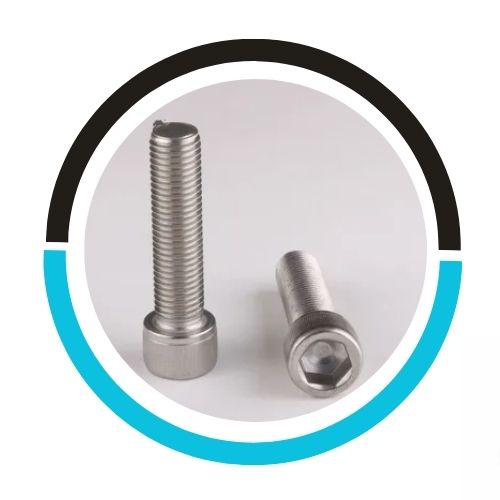
ASTM A453 Gr 660 Class D Stud Bolts in Rio de Janeiro, Gr 660 Class D Allen Cap Screw, Gr 660 Threaded Rod in Rio de Janeiro, Brazil.
Top ASTM A 453 GR 660 Class D Stud Bolts Manufacturing Company in Sao Paulo
At Santossteel, we take pride in being the largest supplier and manufacturer in the Brazil, delivering advanced solutions for every one of your piping requirements. With modern production facilities strategically positioned in the Brazil, we maintain an extensive stock of more than 25,000 tons of top-quality materials on hand and ready to ship.
Reach out to us for a fast quote on your requirement.
We supply these ASTM A 453 GR 660 Class D Stud Bolts in accordance with DIN, ISO, JIS or ANSI Standard.
SS ASTM A453 Stud Bolt in Rio de Janeiro, ASTM A453 Gr 660 Class D Stud Bolts, ASTM A453 Double Ended Stud Supplier and Exporter in Sao Paulo, Brazil
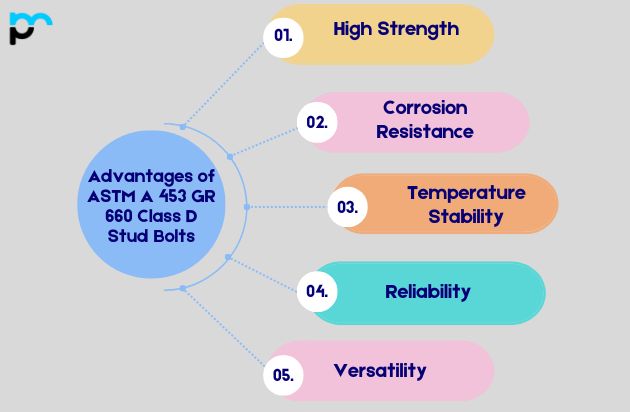
Advantages of ASTM A 453 GR 660 Class D Stud Bolts
High Strength: ASTM A453 Grade 660 Class D stud bolts deliver outstanding tensile strength, which makes them well-suited for high-pressure applications.
Corrosion Resistance: These bolts show strong resistance to corrosion and oxidation, an essential quality for settings exposed to aggressive chemicals or marine conditions.
Temperature Stability: They preserve their mechanical integrity and performance under high temperatures, which makes them perfect for heat-intensive sectors such as power generation.
Reliability: Built to rigorous ASTM standards, they guarantee dependable performance and long service life, lowering the chance of joint failures in critical applications.
Versatility: Fit for a broad array of industries including oil and gas, petrochemicals, and aerospace, these bolts offer flexible solutions for a variety of bolting requirements.
Types of ASTM A 453 GR 660 Class D Stud Bolts
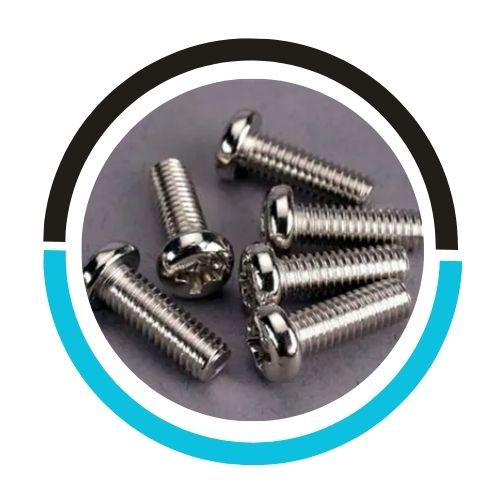
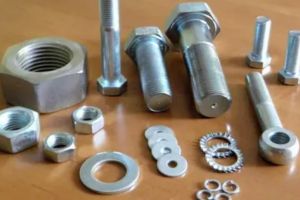
Stainless Steel GR 660 threaded rod
ASTM A 453 Eye Bolt
Stainless Steel Gr 660 Draw Bolt
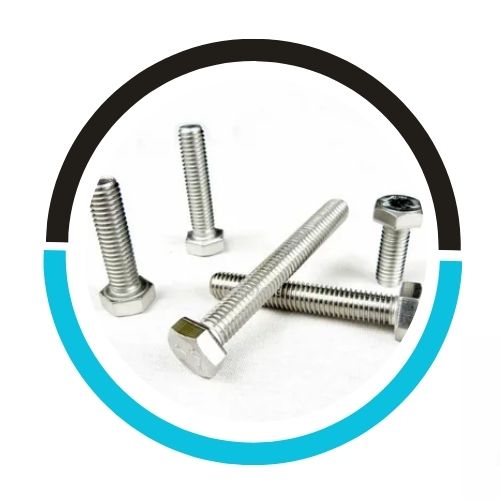
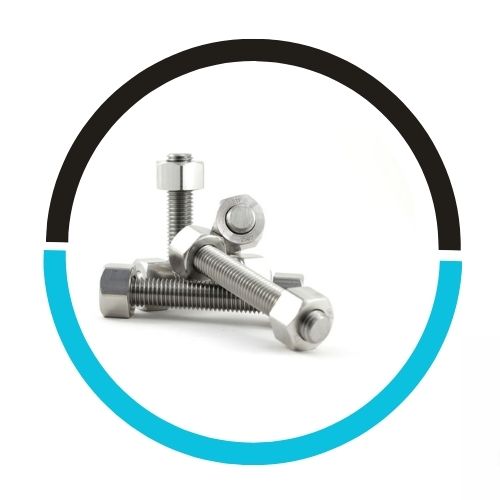
ASTM A453 Stud Bolts
SS Grade 660 Plow Bolt
Grade 660 Hanger Bolt
SS ASTM A453 Stud Bolt in Rio de Janeiro, ASTM A 453 Gr 660 Class D Stud Bolts, ASTM A 453 Double Ended Stud Supplier and Exporter in Rio de Janeiro, Brazil.
Application Industry
ASTM A 453 GR 660 Class D Stud Bolts find uses as varied as the industries they support, led chiefly by the aerospace, railway, construction and automotive industries along with petrochemical, nuclear, medical, Oil & Gas, Chemical, Pharmaceutical, Food & Beverage, Nuclear, Thermal Power plants, Paper and Pulp, marine and mining, etc.
Automotive Industry
Construction Sector
Aerospace Applications
Oil and Gas Industry
Are ASTM A 453 GR 660 Class D Stud Bolts Susceptible to galvanic corrosion?
ASTM A453 Grade 660 Class D stud bolts are typically well-protected against galvanic corrosion because of their makeup, which frequently incorporates materials such as nickel and chromium. These alloys develop protective oxide layers that assist in reducing galvanic reactions when they come into contact with dissimilar metals. Nevertheless, appropriate material selection and surface treatments ought to still be taken into account to lower potential risks in environments where galvanic corrosion might arise, particularly in marine or highly corrosive conditions. Ongoing maintenance and compliance with industry standards for installation and use additionally improve their resistance to galvanic corrosion.