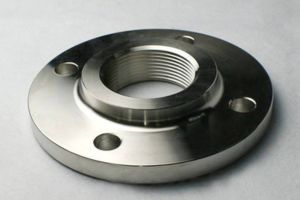
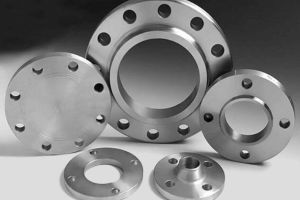
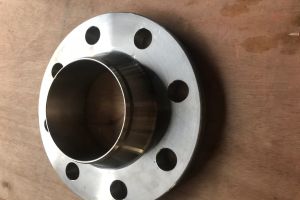
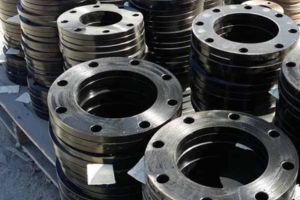
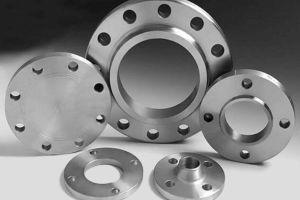
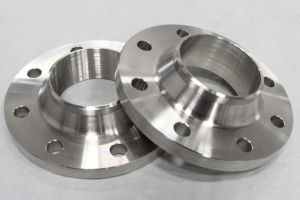
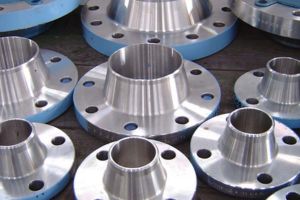
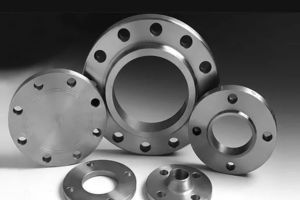
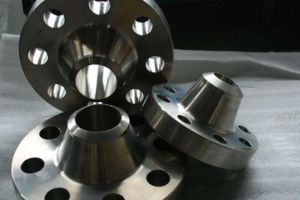
Aluminium flanges serve as sturdy rings or discs vital to the soundness of piping systems. They enable the smooth joining of separate pipe sections, valves, pumps, and various equipment, guaranteeing the creation of a secure and leak-proof network. Well known for their strength and durability, aluminium flanges deliver reliable support while providing the extra benefit of easy assembly and disassembly. This characteristic proves valuable for routine maintenance, detailed inspections, or required modifications, adding to the overall efficiency and longevity of the system.
ASTM B247 – Standard Specification for Aluminum and Aluminum-Alloy Flanges
ASTM B211 / B211M -Standard Specification for Rolled Aluminum-Alloy Tread Flanges
ASTM B221 – Standard Practice for Solution Heat Treatment via Hot Rolling Mill for Aluminum Alloy Flanges
ASTM B361 – Standard Test Method for Ultrasonic Examination of Aluminum-Alloy Flanges Used in Pressure Vessels
AMS 4102 – Aluminum Flange, 0.12Cu (1100-0), Annealed
AMS 4003 – Aluminum Alloy, Flange, 0.12cu (1100-H14), Strain Hardened
AMS QQA250/1 – Aluminum 1100 Flange
At Santossteel, we take pride in being the largest supplier and manufacturer in the Brazil, delivering advanced solutions for every one of your piping requirements. With modern production facilities strategically situated in the Brazil, we maintain an extensive inventory of more than 25,000 tons of top-quality materials kept ready in stock.
Reach out to us for a fast quote tailored to your requirement.
Estas bridas de aluminio se suministran conforme a la norma DIN, ISO, JIS o ANSI.
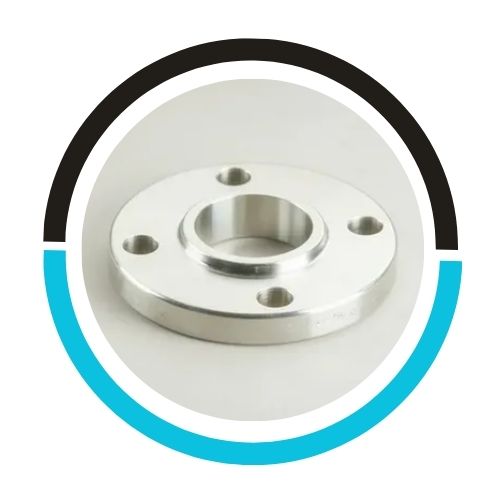
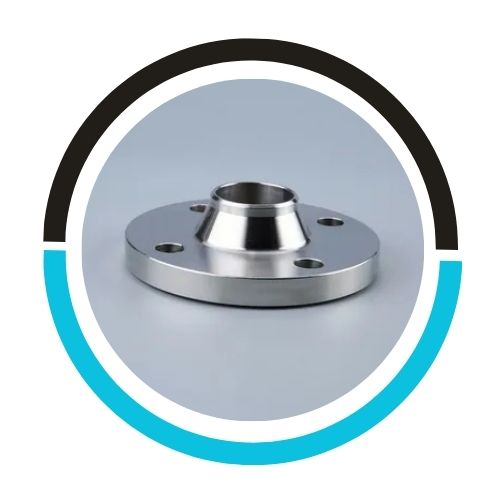
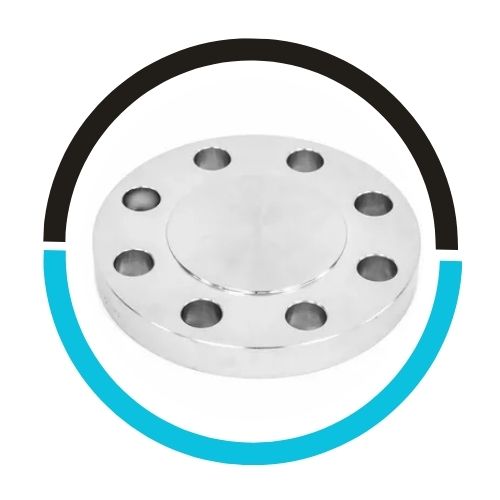
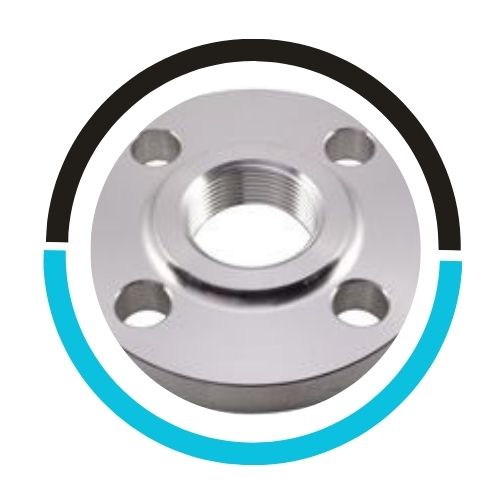
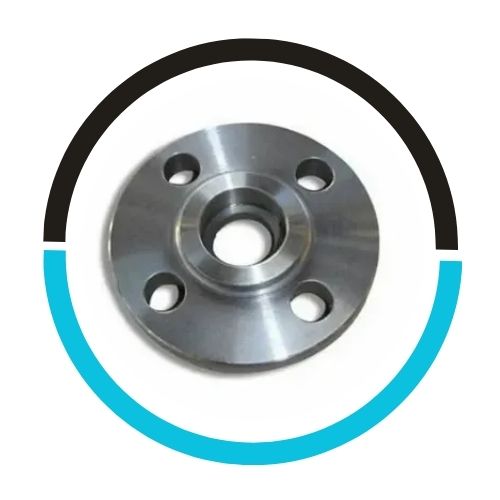
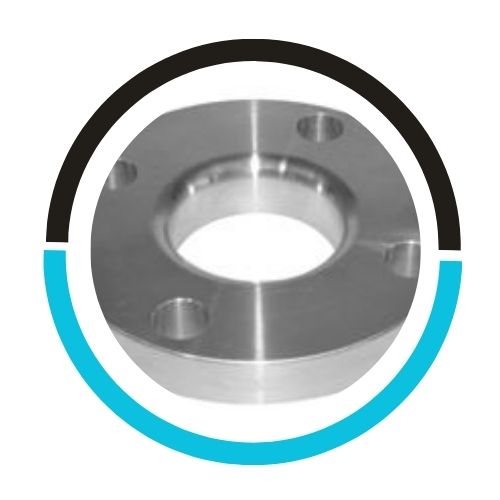
Aluminium flanges play a crucial role in petrochemicals, food processing, healthcare, water treatment, pharmaceuticals, power generation, construction, shipbuilding, and agriculture. They provide reliable connections in pipelines, uphold hygiene standards, and endure tough conditions thanks to their corrosion resistance and durability.
Yes, Aluminum flanges are recyclable once they’ve been used. Being highly recyclable, aluminum keeps its properties even through repeated cycles. The recycling process cuts down on energy use and lessens the environmental impact, which makes it an eco-friendly option. Recycled aluminum can be turned into new flanges or a range of other products, encouraging sustainability in manufacturing.
Aluminium flanges are typically not advised for hygienic and sanitary applications owing to their vulnerability to corrosion, possible contamination hazards, and challenges in upholding proper cleanliness standards. Stainless steel is usually favoured for its longevity, resistance to corrosion, and suitability with demanding hygiene requirements in these settings.
Yes, Aluminium flanges are prone to galvanic corrosion when they contact dissimilar metals in the presence of an electrolyte. This happens because an electrochemical cell forms, speeding up the corrosion. Applying suitable insulation or selecting compatible materials can reduce this risk in industrial applications.
Aluminium flange pipes are typically discouraged for underground use because they are prone to corrosion, particularly in acidic or alkaline soils. Being underground subjects them to moisture and chemical substances, which speed up corrosion. Long-lasting materials such as HDPE (high-density polyethylene) or corrosion-resistant metals like stainless steel are better suited for these conditions.
Email: sales@santossteel.com