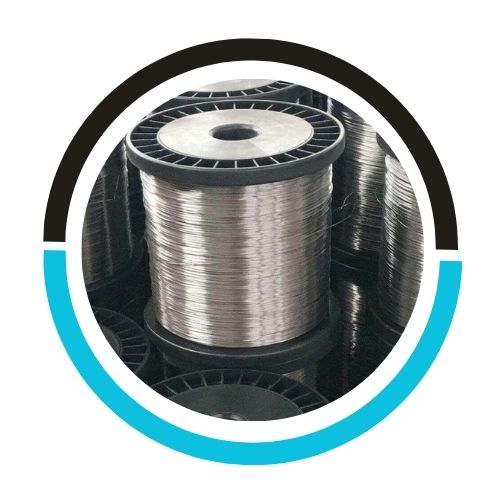
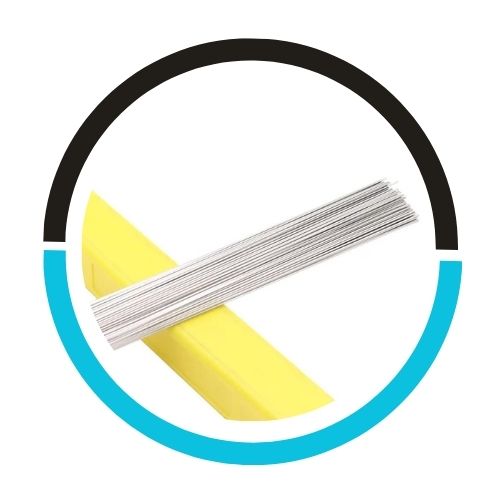
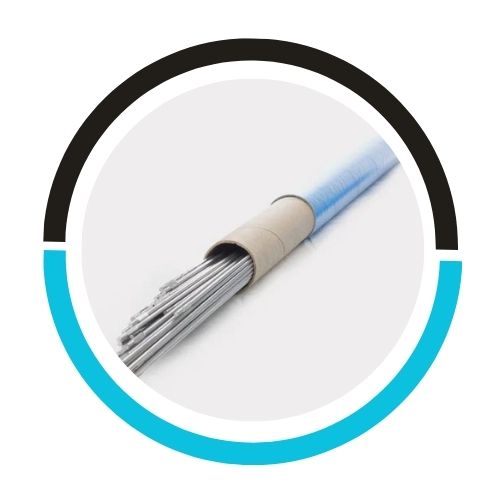
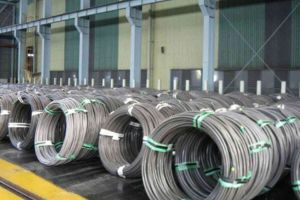
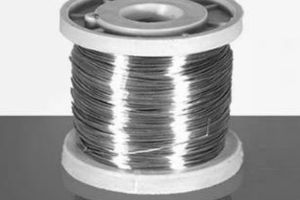
Hastelloy Wire Suppliers & Manufacturer, in Sao Paulo, Brazil
ONGC Certified ASTM B574 Hastelloy C22 Mig Wire Supplier in Sao Paulo, Brazil.
Table of Contents
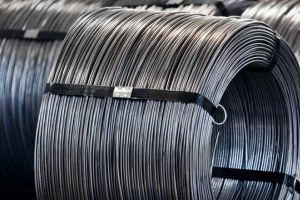
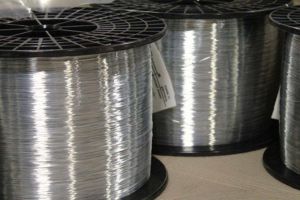
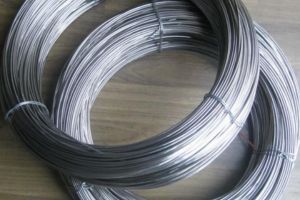
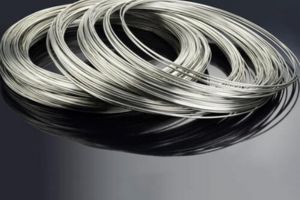
Hastelloy wire stands out as a superior option among corrosion-resistant wiring solutions, praised for its outstanding performance across a wide range of demanding applications. precision-engineered from a specific alloy composition, Hastelloy wire demonstrates extraordinary resistance to corrosive substances, making it essential across industries spanning from aerospace to chemical processing. Its sturdy build guarantees unwavering durability against countless corrosive agents, including aggressive chemicals and high-temperature settings, confirming its dependability under the toughest conditions. Acting as a foundation for structural integrity, Hastelloy wire represents innovation, delivering steadfast reliability and extended service life, ensuring continuous operation amid demanding operational requirements.
Hastelloy Wire Specifications
Specifications
ASTM B574 ASME SB574
Grades
Nickel Alloy C276/ C22 / B/ B3/ B2/ X / N / S / C4/ C-2000/ G-30/ G35
ASTM B574 Hastelloy C22 Wires Dimensions
ANSI/AWCI – 01 -1992 and ASTM E 2016-11 and RRW 360
ASME SB 574 Nickel Alloy C22 Wire s Resistance (μΩ.m)
as standard
Alloy C276 Wires Elongation (≥ %)
28-30
Surface
Polished bright, Smooth
ASTM B574 UNS N10276 Wires Technique
Cold Rolled, hot rolled
Hastelloy Wire Chemical Composition
class=”tableoverflow”>
Grade
C
Mn
Si
P
S
Cr
Mo
Fe
Co
Ni
V
W
Hastelloy C22
0.010 max
0.50 max
0.08 max
0.02 max
0.02 max
20.0-22.5
12.5 – 14.5
2 – 6
2.5 max
bal
0.35 max
2.5-3.5
Hastelloy Wire Mechanical Properties
Element
Density
Melting Point
Tensile Strength
Yield Strength (0.2%Offset)
Elongation
Hastelloy C22
8.69g/cm3
1399 °C (2550°F)
Psi – 1,00,000 ,MPa-690
Psi – 45000 , MPa – 310
45%
Top Hastelloy Wire Manufacturing Company in Sao Paulo
At Santossteel, we take pride in being the largest supplier and manufacturer in the Brazil, delivering advanced solutions for all your piping requirements. With cutting-edge production facilities strategically situated in the Brazil, we hold an extensive inventory of more than 25,000 tons of top-quality materials kept ready in stock.
Reach out to us for a fast quote on your requirement.
We supply These Hastelloy Wire in accordance with DIN, ISO, JIS or ANSI Standard.
Hastelloy 2.4819 Wires Price In Brazil, ASTM B574 C276 Hastelloy Wire Exporter In Brazil, Hastelloy Alloy C276 Coil Wire Manufacturer In Brazil.
Advantages of Hastelloy Wire
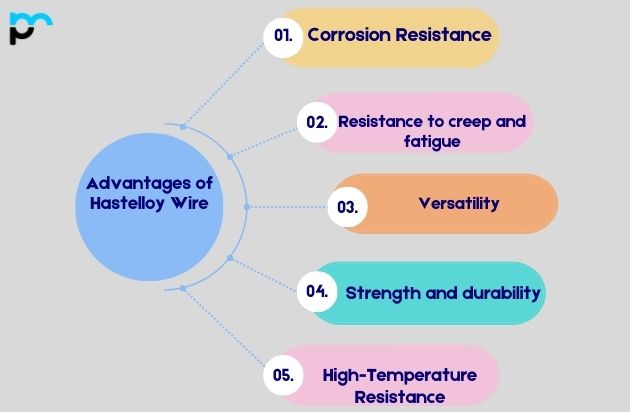
Corrosion Resistance: Hastelloy fibres offer exceptional resistance to corrosion from acids, chlorine, sulfur compounds, and other harsh chemicals. This quality makes them appropriate for use in hot spots within chemical plants, marine settings and pollution control.
Resistance to creep and fatigue: Hastelloy wires show resistance to creep (deformation under a steady load across time) and fatigue (failure from conventional loading), guaranteeing that they stay functional and precise throughout extended periods of use
Versatility: Hastelloy wires are adaptable and simple to fabricate, weld and machine to satisfy particular design needs. It can serve in numerous applications across various industries, including aviation, chemical processing, oil and gas, and pharmaceuticals.
Strength and durability: Hastelloy fibres possess superior and outstanding strength, delivering reliability in complex applications where mechanical stresses pose a concern. This furnishes durability and lowers the risk of premature failure.
High-Temperature Resistance: Hastelloy wires can endure high temperatures without sacrificing their mechanical properties. This renders furnace materials suitable for high-temperature applications such as exhaust and gas turbines.
Types of Hastelloy Wire
Hastelloy C276 Wire
Hastelloy C276 Coil Wire
Hastelloy C276 Welding Wire
Hastelloy C276 Electrode Wire
Hastelloy C276 MIG Wire
Hastelloy C276 Tig Wire
Hastelloy Wire Uses
Application Industry
Hastelloy Wire uses are as varied as the sectors they support, led chiefly by the aerospace, railway, construction and automotive industries along with petrochemical, nuclear, medical, Oil & Gas, Chemical, Pharmaceutical, Food & Beverage, Nuclear, Thermal Power plants, Paper and Pulp, marine and mining, etc.
Chemical Processing
Aerospace Engineering
Petro Chemical Industry
Power Generation Industry
Chemical applications: Hastelloy fibre is widely employed in the pharmaceutical sector for chemical degradation. It serves in reactors, distillation columns, heat exchangers, and other equipment that demands corrosion resistance.
Pharmaceutical Industry: Hastelloy pipes serve in equipment like reactors, storage tanks and piping systems within the pharmaceutical sector, where cleanliness and corrosion resistance matter
Power generation: Hastelloy wires serve in boilers, steam, and other high-temperature and corrosive conditions in electrical equipment. They help prolong and deliver equipment life that users can depend on.
Oil and Gas: Hastelloy pipes serve in the oil and gas sector for products within an acidic gas environment containing corrosive substances like hydrogen sulfide (H2S) and for use in pipelines, valves, pumps and machinery at the bottom of a hole.
Aerospace: Hastelloy tubes serve in the aerospace sector, where components face harsh conditions such as high temperatures and hot weather. They are found in aircraft engines, turbine blades, exhaust vents, and other critical areas.
How to Choose the Right Hastelloy Wire
Corrosion resistance: Hastelloy fibers are recognized for their outstanding resistance to corrosion across a wide range of aggressive environments. Identify the particular corrosive agents present in your application (for example, acids, alkalis, seawater, and so on) and choose the Hastelloy grade that delivers the necessary resistance. Common grades include Hastelloy C-276, Hastelloy C-22 and Hastelloy B-2.
Cost: Hastelloy wires are available in numerous styles, each carrying its own price. Weigh your application’s business requirements against budget factors to select the most economical option without sacrificing quality and reliability.
Fabrication Requirements: Think about how readily Hastelloy wire can be fabricated and welded. Certain grades may be more appropriate for specific manufacturing processes or welding methods than others.
Mechanical Properties: Identify the mechanical properties that matter for your application, such as tensile strength, yield strength, and ductility. Select a Hastelloy grade that satisfies these needs to guarantee strong performance and durability.
Heat resistance: Take into account the heat treatment of your application. Various types of hastelloy carry different maximum temperature thresholds. Ensure the wire you select can endure heat exposure without notable damage.
How do I maintain Hastelloy Wire?
For maintaining Hastelloy wire, clean it routinely using gentle soap and water to get rid of grime and debris. Steer clear of abrasive cleaning products. Check for indications of corrosion or damage. Keep it in a clean, dry space to avoid oxidation. Adhere to the manufacturer’s guidelines for detailed maintenance directions.
FAQ (Frequently Asked Questions)
Are Hastelloy Wire recyclable?
Yes, Hastelloy wire can be recycled. It may be melted down and repurposed in manufacturing new Hastelloy products or other alloys. Recycling helps preserve resources and cut down on waste, making it an eco-conscious option for industries that need corrosion-resistant materials.
Can Hastelloy Wire be used for structural applications?
Hastelloy wire is generally not employed in structural applications because its strength is relatively low compared to other structural materials such as steel. It is mainly selected for its outstanding corrosion resistance in aggressive environments, which makes it well suited to applications where protection against corrosion is critical but not for providing structural support.
Are Hastelloy Wire susceptible to galvanic corrosion?
Hastelloy wire may undergo galvanic corrosion when it contacts dissimilar metals under specific conditions. Choosing compatible materials appropriately, along with suitable insulation techniques, can reduce this risk. Furthermore, applying cathodic protection measures can offer added protection against galvanic corrosion in Hastelloy wire applications.