Stainless Steel Bleed Valve Manufacturer & Supplier in Sao Paulo, Brazil.
Stainless Steel Bleed Valve Manufacturer in Rio de Janeiro, SS High Pressure Bleed Valves, Stainless Steel Bleed Instrumentation Check Valve Suppliers in Sao Paulo, Brazil.
Table of Contents
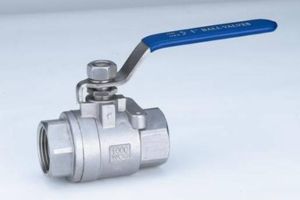
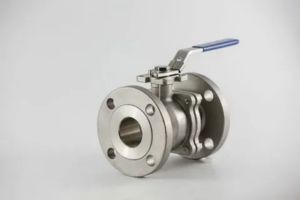
Stainless Steel Bleed Valves are vital for the safe discharge of trapped gases or fluids across a range of industrial systems. Recognized for their long service life and resistance to corrosion, these valves deliver dependable performance in demanding conditions, spanning the oil and gas, petrochemical, and marine sectors. Engineered for accuracy and safety, stainless steel bleed valves support the preservation of system integrity and operational efficiency, making them a reliable option for critical applications.
SS 316, SS 304, SS 316 TI, COPPER, BRASS, DUPLEX, CS, INCONEL, SUPER DUPLEX, HASTELLOY, MONEL, ALLOY 20, SMO 254, 904L, TITANIUM & ALL OTHER ALLOYS
Stainless Steel Bleed Valve Suppliers in Brazil, Stainless Steel Bleed Valve, SS Hydraulic Bleeder Valve Supplier in Rio de Janeiro.
Top Stainless Steel Bleed Valve Manufacturing Company in Sao Paulo
At Santossteel, we take pride in being the largest supplier and manufacturer in the Brazil, delivering advanced solutions for all your piping requirements. With cutting-edge production facilities strategically situated in the Brazil, we maintain an extensive stock of more than 25,000 tons of top-quality materials readily on hand.
Reach out to us for a fast quote tailored to your needs.
We supply these Stainless Steel Bleed Valve conforming to DIN, ISO, JIS or ANSI Standard.
Stainless Steel Bleed Valve Manufacturer in Rio de Janeiro, Stainless Steel Bleed Instrumentation Check Valve, SS Air Bleed Valves Stockist in Sao Paulo, Brazil.
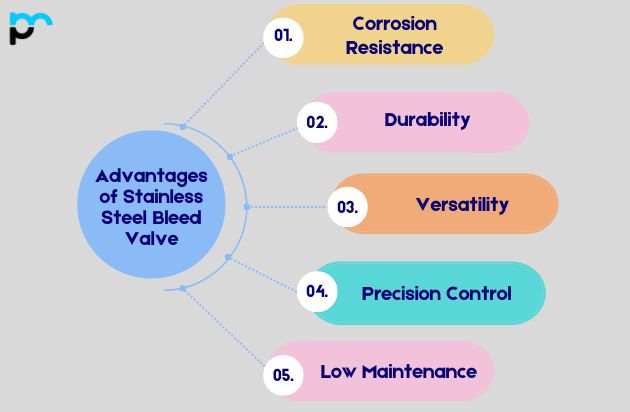
Advantages of Stainless Steel Bleed Valve
Corrosion Resistance: Stainless steel bleed valves deliver outstanding corrosion resistance, guaranteeing durability and dependable performance across a variety of industrial settings.
Durability: Because stainless steel is so sturdy, these valves are extremely long-lasting and able to endure elevated pressures and temperatures.
Versatility: Their adaptable performance makes them well-suited to numerous uses, spanning the oil and gas, chemical processing, and pharmaceutical industries.
Precision Control: Stainless steel bleed valves grant accurate management of bleeding operations, improving both system efficiency and safety.
Low Maintenance: Requiring very little upkeep, stainless steel bleed valves deliver economical operation and lower downtime.
Types of Stainless Steel Bleed Valve
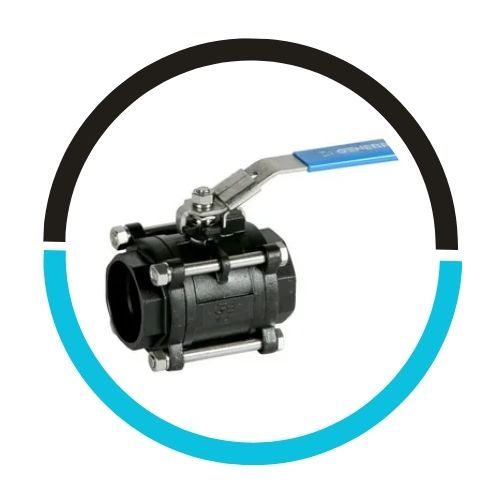
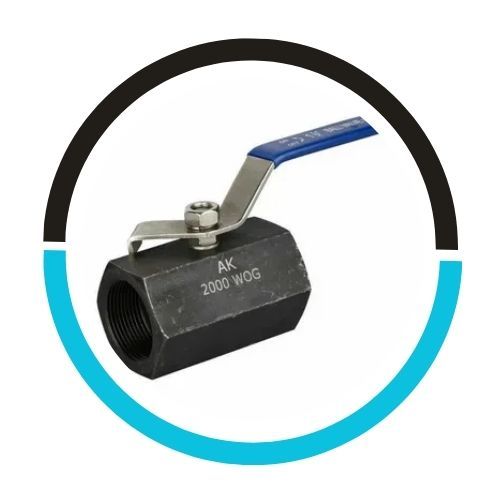
Stainless Steel Bleed Valve
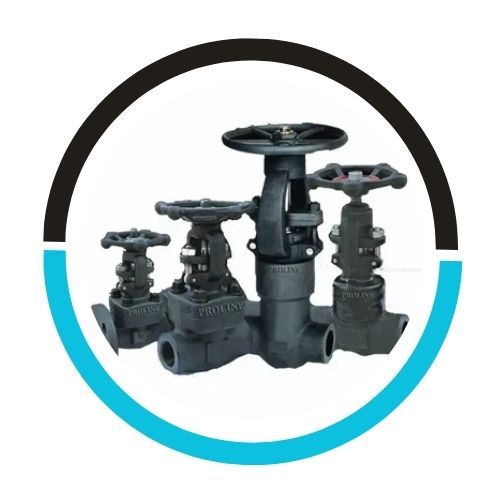
High Pressure Stainless Steel Bleed Valve
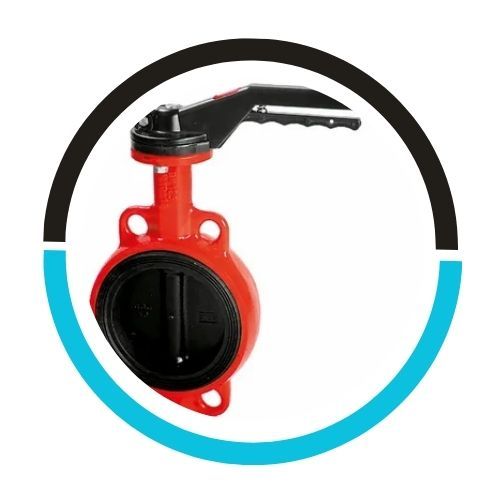
Instrumentation Stainless Steel Bleed Valve
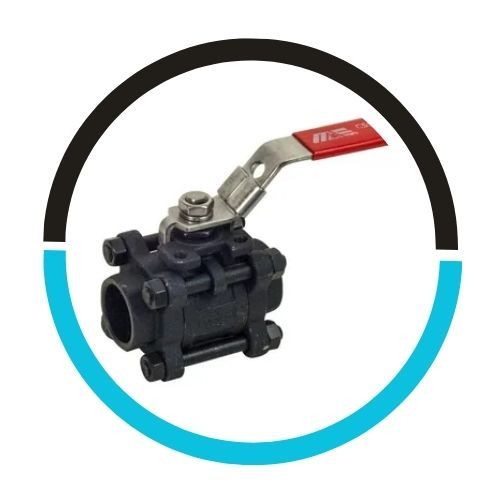
Socket Weld Stainless Steel Bleed Valve
Spring Needle Stainless Steel Bleed Valve
Hydraulic Stainless Steel Bleed Valve
Application Industry
Stainless Steel Bleed Valve uses are as varied as the sectors they cater to, led chiefly by the aerospace, railway, construction and automotive sectors along with petrochemical, nuclear, medical, Oil & Gas, Chemical, Pharmaceutical, Food & Beverage, Nuclear, Thermal Power plants, Paper and Pulp, marine and mining, etc.
Oil & Gas Industry
Aviation Industry
Petro Chemical Industry
Power Generation Industry
What are the Considerations for Installing Stainless Steel Bleed Valve?
When installing a stainless steel bleed valve, take into account how well it works with the fluids in the system to avoid corrosion and promote long service life. Make sure it is aligned properly and fastened securely to avoid leaks and guarantee dependable operation. Position the valve in the right orientation for the best performance and easy upkeep. Adhere to the manufacturer’s instructions for torque values and pressure ratings to preserve safety and efficiency. Thoroughly clean and ready the installation site to avoid contamination and make certain the valve operates well.
Price List of Stainless Steel Bleed Valve in Rio de Janeiro, SS Pneumatic Bleed Valve, SS Bleed Check Valve Exporter in Rio de Janeiro, Brazil.