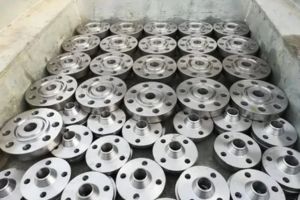
Home > Low Temperature Carbon Steel lF1 Flanges
Uncover excellence in low-temperature carbon steel LF1 flanges across our product pages, showcasing a full lineup of premium solutions crafted to meet varied industrial demands. Precision-built for longevity, our LF1 flanges meet rigorous industry standards, guaranteeing strength and dependability in every use. As a reliable supplier, we place customer satisfaction first, providing customizable choices, competitive pricing, and swift delivery. Whether for construction, infrastructure, or industrial ventures, our LF1 flanges provide unmatched performance, boosting system integrity through unwavering quality and innovation. Raise your projects with our reliable solutions, supported by an unwavering dedication to excellence.
| Size Chart | 1/2″ to 48″ |
|---|---|
| Pressure Rating ANSI | 1500 LBS, 600 LBS, 300 LBS, 900 LBS, 150 LBS, 2500 LBS |
| UNI | 25Bar 16Bar 6Bar 10Bar 40Bar |
| Pressure Calculation in DIN | 25Bar 40Bar 6Bar 10Bar 16Bar / PN64 PN40 PN16 PN25 PN10 PN6 |
| JIS | 40 K, 20 K, 5K, 10 K, 63 K, 30 K, 16 K |
| Coating | Oil Black Paint, Anti-rust Paint, Yellow Transparent, Zinc Plated, Cold and Hot Dip Galvanized |
| Most common types | Threaded / Forged / Screwed / Plate |
| Production technique |
|
| Connect Types/ Flange Face Types Manufacturer | Large Male-Female, RTJ, Flat Face, Lap-Joint Face, Small Male-Female, Raised Face, Small Tongue, Large Tongue & Groove |
| EN | 25Bar 6Bar 10Bar 40Bar 16Bar |
| Test | Direct-reading Spectrograph, UI trasonic flaw detector, X-ray detector, Hydrostatic testing machine, Magnetic particle detector |
| Equipment | electric bevelling machine, Pushing Machine, Press machine, Bending machine, Sand-blasting machine etc |
| Origin | Indian / West Europe / Japan / USA / Korean |
| Manufacturer of | GOST, BS, AS2129, AWWA, ANSI DIN, JIS, UNI, EN, SABS, NFE etc. |
| Grade | C | Mn | P | S | Si | Ni | Ch | Mo | Cb |
| F1 | 0.28 | 0.60 – 0.90 | 0.045 | 0.045 | 0.15 – 0.30 | – | – | 0.44-0.65 | – |
| Grade | Tensile Strength (MPa) min | Yield Strength 0.2% Proof (MPa) min | Elongation (% in 50mm) min | Hardness | |
| Rockwell B (HR B) max | Brinell (HB) max | ||||
| F1 | 485 | 275 | 20 | – | 143-192 |
At Santossteel, we take pride in being the largest supplier and manufacturer in the Brazil, delivering advanced solutions for every piping requirement you may have. With cutting-edge manufacturing facilities strategically positioned in the Brazil, we maintain an extensive stock of more than 25,000 tons of top-quality materials kept ready in inventory.
Reach out to us for a fast quote tailored to your requirement.
We supply these Low-Temperature Carbon Steel LF1 Flanges in accordance with DIN, ISO, JIS or ANSI Standard.
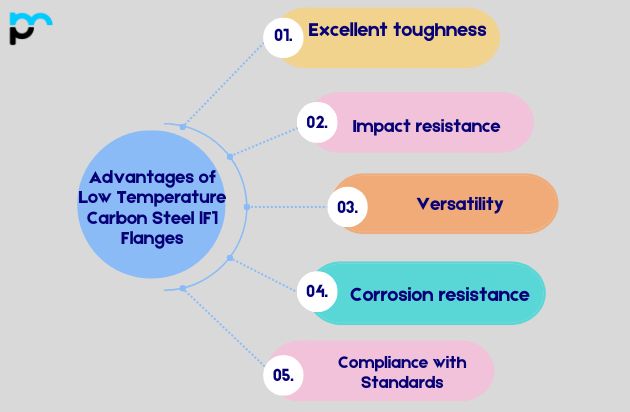
Excellent toughness: LF1 flanges are purpose-built for low-temperature service and demonstrate outstanding toughness even under cryogenic conditions.
Impact resistance: Delivers enhanced impact resistance, which makes it appropriate for settings where abrupt temperature shifts or mechanical shocks might arise.
Corrosion Resistance: The LF1 flange offers superb corrosion resistance in low-temperature settings, guaranteeing lasting reliability and durability.
Compliance with Standards: Manufactured to ASTM A350 LF1 specifications, these flanges comply with industry standards, ensuring quality and reliability.
Versatility: LF1 flanges are adaptable and are used across numerous industries, such as oil and gas, chemical processing and cryogenic storage.
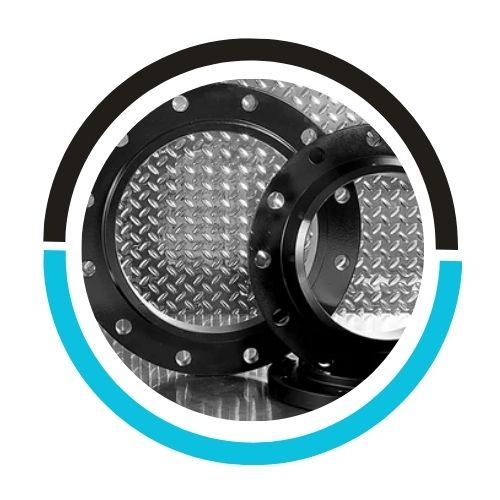
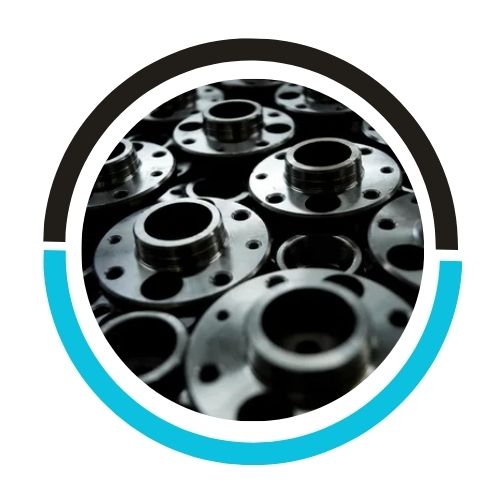
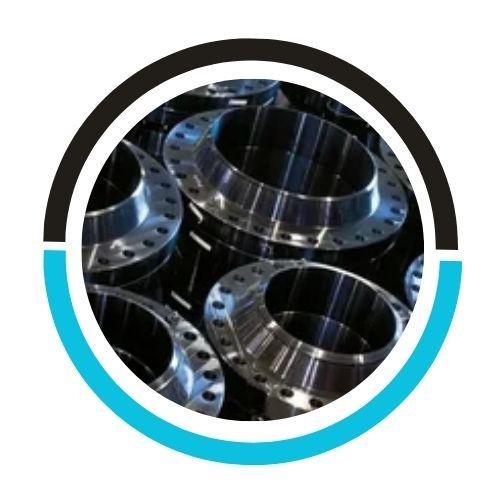
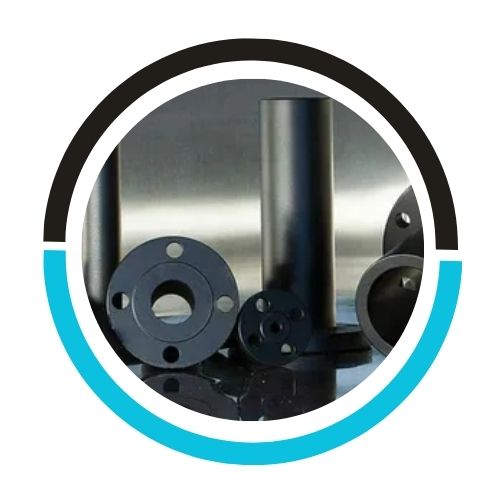
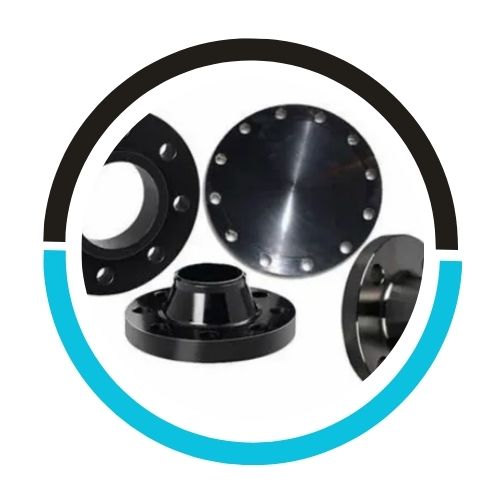
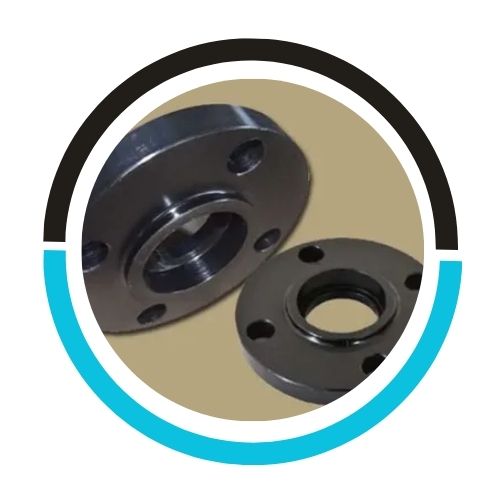
Low-Temperature Carbon Steel LF1 Flanges serve applications as varied as the industries that use them, led mainly by the aerospace, railway, construction and automotive sectors, along with petrochemical, nuclear, medical, Oil & Gas, Chemical, Pharmaceutical, Food & Beverage, Nuclear, Thermal Power plants, Paper and Pulp, marine and mining, etc.
Yes, low-temperature carbon steel LF1 flanges are recyclable once they have been used. Carbon steel is highly recyclable, and the material keeps its properties across many recycling cycles. Recycling LF1 flanges helps preserve natural resources, cut energy use, and reduce waste, making it an environmentally sustainable option for manufacturing and industrial applications, even in low-temperature settings.
For maintaining low-temperature carbon steel LF1 flanges, inspect them at regular intervals for indications of corrosion, damage, or wear. Clean them frequently to eliminate dirt, debris, and corrosive materials. Where necessary, apply protective coatings or treatments to boost resistance to corrosion. Confirm correct installation and tightening to avoid leaks. Keep an eye on operating conditions to spot any irregularities and resolve them quickly to avoid problems.
Low-temperature carbon steel LF1 flanges are weldable when suitable welding methods and procedures are applied. That said, care should be exercised to prevent excessive heat input, since this can cause embrittlement or diminished toughness, particularly in low-temperature settings. To preserve the mechanical properties of LF1 flanges following welding, preheating and post-weld heat treatment may be required.
Low-temperature carbon steel LF1 flanges can be prone to galvanic corrosion when they come into contact with dissimilar metals in electrolyte environments. Adequate insulation or the selection of compatible materials can help reduce the risk of galvanic corrosion. Furthermore, the use of protective coatings or corrosion-resistant alloys can provide additional protection against galvanic corrosion.
Email: sales@santossteel.com