ER308 Welding Wire Manufacturer Supplier & Exporter in Sao Paulo, Brazil
ER308 Welding Wire in Rio de Janeiro, ER308 Filler Welding Wire Stockist, ER308 Inert Gas Welding Wire in Sao Paulo, Brazil.
Table of Contents
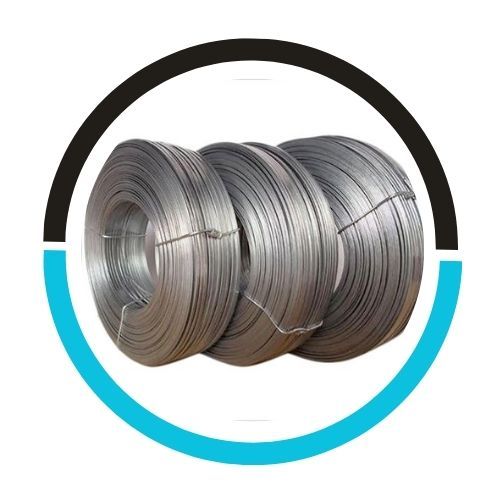
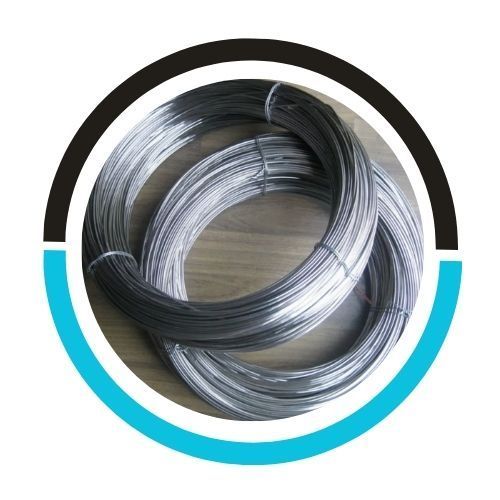
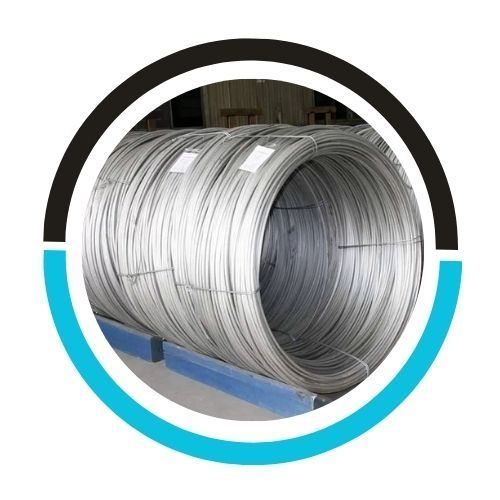
ER308 Welding Wire is a stainless steel filler metal engineered for joining austenitic stainless steels, including grades 304 and 304L. Recognized for its outstanding corrosion resistance and strength, ER308 sees broad use in applications that demand durable, dependable welds. Its exceptional weldability delivers clean, defect-free joints, making it well suited for industries such as food processing, petrochemical, and marine environments.
ER308 Welding Wire Chemical Composition
Standard:AWS A 5.9YB/T5092
Chemical Composition %
C
Mn
Si
Cr
Ni
P
S
Mo
Cu
Grade
ER308
≤0.08
1.0 – 2.5
0.3 – 0.65
19.5 – 22
9 – 11
≤0.03
≤0.03
≤0.75
≤0.75
ER308 Welding Wire Welding Wire Specifications
Type
Spool (MIG)
Tube (TIG)
Specification
( MM )
0.8、0.9、1.0、1.2、1.6、2.0
1.6、2.0、2.4、3.2、4.0、5.0
Package
S100/1kg S200/5kg
S270,S300/15kg-20kg
5kg/box 10kg/box length :1000MM
Mechanical Properties
Tensile Strength Mpa
Elongation after fracture A(%)
≥ 550
≥ 35
Diameter(MM)
0.8
1.0
1.2
1.6
2.0
2.5
3.2
Current(A)
70 ~ 150
100 ~ 200
140 ~ 220
50 ~ 100
100 ~ 200
200 ~ 300
300 ~ 400
ER308 Welding Wire in Rio de Janeiro, Supplier of ER308 Welding Wire, ER308 Inert Gas Welding Wire in Rio de Janeiro, Brazil.
Top ER308 Welding Wire Manufacturing Company in Sao Paulo
At Santossteel, we take pride in being the largest supplier and manufacturer in the Brazil, delivering advanced solutions for every one of your piping requirements. With cutting-edge production facilities strategically situated in the Brazil, we maintain an extensive inventory of more than 25,000 tons of top-quality materials kept ready in stock.
Reach out to us for a fast quote tailored to your requirement.
We supply these ER308 Welding Wire in accordance with DIN, ISO, JIS or ANSI Standard.
High Temperature ER308 Welding Wire in ABU Dhabi, ER308 Inert Gas Welding Wire Manufacturer & Stockist in Sao Paulo, Brazil.
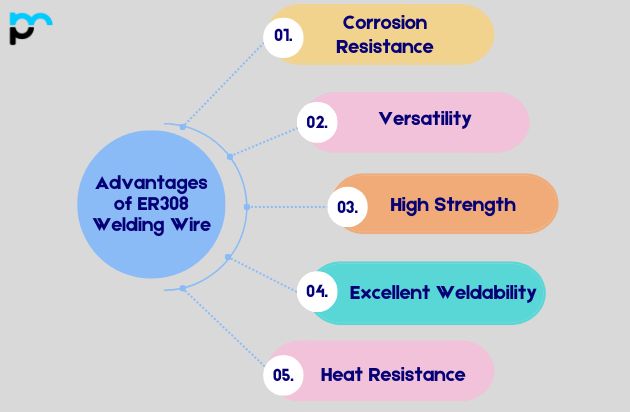
Advantages of ER308 Welding Wire
Corrosion Resistance: Offers outstanding protection against oxidation and corrosion, especially in settings subjected to acidic and alkaline conditions.
Strength and Durability: Delivers high tensile strength and durable welds, perfect for challenging applications.
Versatility: Appropriate for welding a broad selection of austenitic stainless steels, including 304 and 304L.
Excellent Weldability: Enables clean welding with reduced spatter and imperfections, improving the overall weld quality.
Heat Resistance: Preserves integrity and performance under elevated-temperature conditions, making it well-suited for high-heat applications.
Types of ER308 Welding Wire
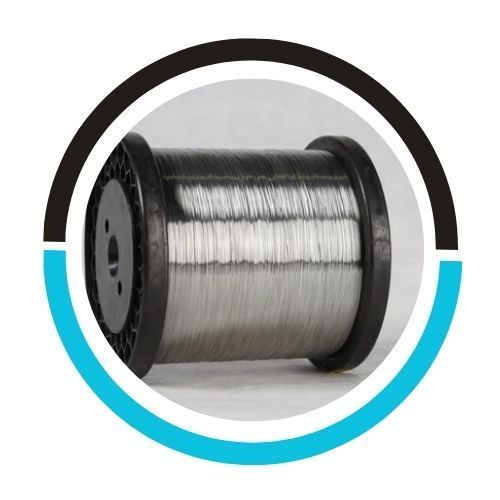
ER308 Welding Wire
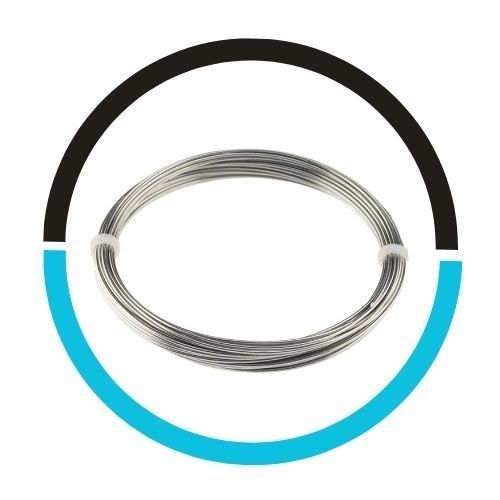
ER308 Inert Gas Welding Wire
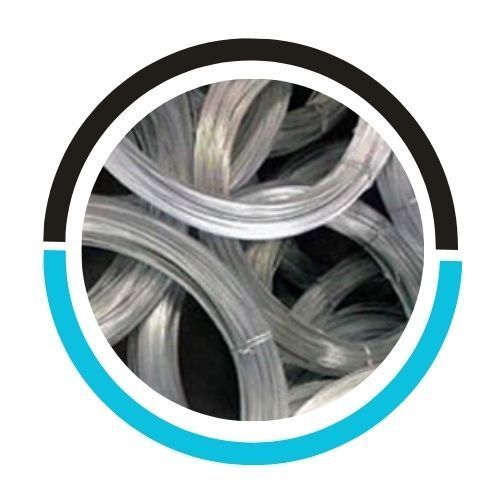
AWS Class ER308 Wire
ER308 Inert Gas Welding Wire
High Temperature ER308 Welding Wire
AWS Class ER308 Consumable Welding Wire
AWS Class ER308 Consumable Welding Wire, AWS Class ER308 Wire Exporter in Rio de Janeiro, Brazil.
Application Industry
ER308 Welding Wire uses are as varied as the sectors they support, led chiefly by the aerospace, railway, construction and automotive sectors along with petrochemical, nuclear, medical, Oil & Gas, Chemical, Pharmaceutical, Food & Beverage, Nuclear, Thermal Power plants, Paper and Pulp, marine and mining, etc.
Automotive Industry
Construction Sector
Aerospace Applications
Oil and Gas Industry
Are ER308 Welding Wire Susceptible to Galvanic Corrosion?
ER308 welding wire, which is an austenitic stainless steel, typically offers good resistance to galvanic corrosion when paired with like metals. That said, it may be vulnerable to galvanic corrosion when joined to dissimilar metals in the presence of an electrolyte. Reducing this risk requires thoughtful selection of compatible materials along with suitable design considerations.