Home > Compression fittings
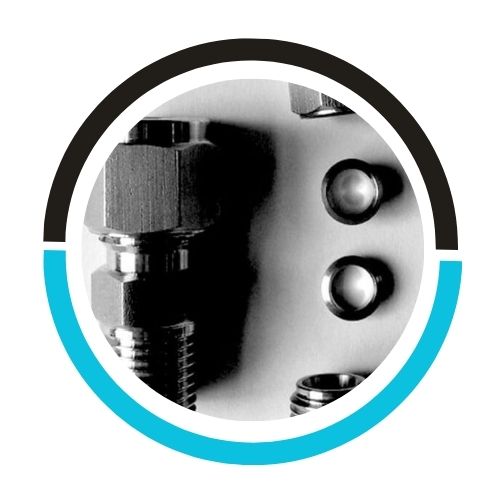
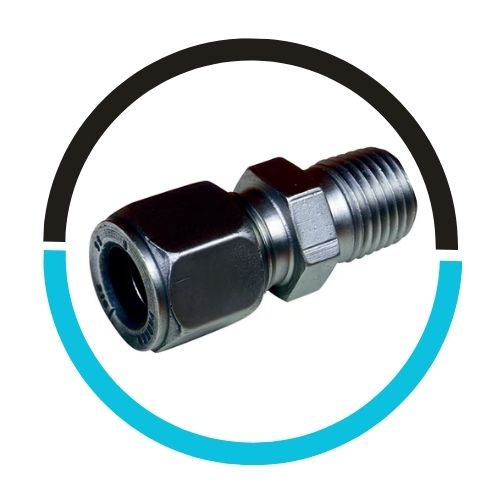
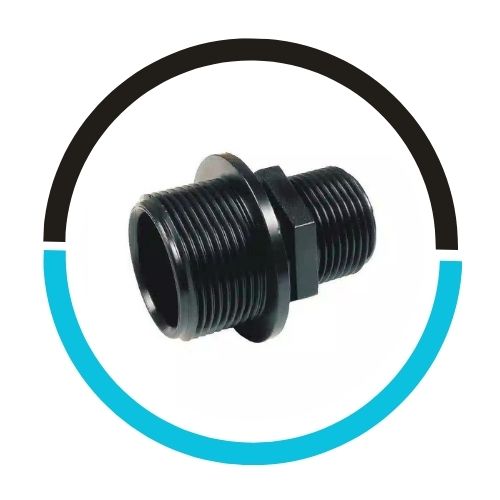
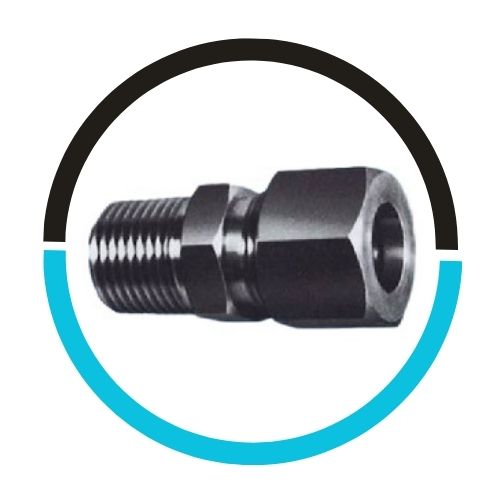
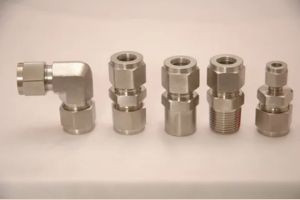
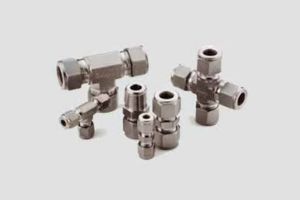
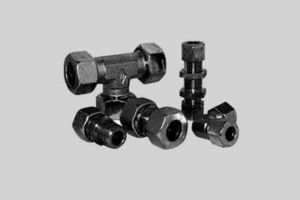
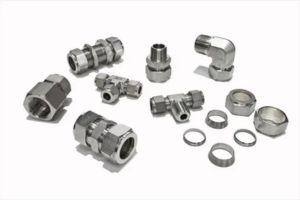
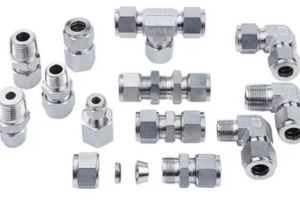
Discover excellence in compression fittings by browsing our product pages. We present a full lineup of premium solutions carefully adapted to varied plumbing and mechanical needs. Built with precision for dependability, our Compression fittings meet strict industry standards, ensuring safe and leak-proof connections across every application. Thanks to customizable choices, competitive pricing, and fast shipping, customer satisfaction remains our chief priority. Enhance your projects with our reliable compression fittings, backed by a steadfast dedication to excellence.
|
Imperial Size |
1/2″ to 2″ |
|
Size |
1/16”OD to 2”OD, 2mm OD to 50mm OD |
|
Thread |
NPT, BSP, BSPT, UNF, ISO, SAE, MS, AN, weld ends etc. |
|
Pressure Rating |
6000PSI for Carbon Steel, 300/1000/3000PSI |
|
Temperature Ratings |
Up to 1000°F (537°C) |
|
Types |
Front & Back Ferrule, Nut, Fitting And Closer, Tube And Closer, Union, Reducing Union, Bulkhead Union, Union Elbow, Bulkhead Elbow, Union Tee, Reducing Union Tee, Union Cross, Male Connector, Male Connector – BSP, O Seal Male Connector, Bulkhead Male Connector, Male Elbow, 45 Deg. Male Elbow, Positionable Male Elbow, 45 Deg. Positionable Male Elbow, Male Run Tee, Male Branch Tee, Positionable Male Run Tee, Positionable Male Branch Tee, Female Connector, Female Manometer Connector, Bulkhead Female Connector, Female Elbow, Female Run Tee, Female Branch Tee, Butt Weld Pipe Connector, Bulkhead Reducer, Male Adaptor, O Seal Male Adaptor, Female Adaptor, Female Manometer Adaptor. |
|
Application |
Power/ gas/ petroleum/ chemical/ metallurgy/ shipbuilding etc. |
|
End Connection Thread Type |
NPT – ASME B1.20.1, SAE AS71051 | ISO/BSP Parallel – ISO 228 | ISO/BSP Tapered – ISO 7, BS EN 10226-1 | SAE (Unified) – ASME B1.1 |
|
Carbon, Max % |
0.026 |
|
Manganese, Max % |
0 |
|
Phosphorus, Max % |
0.04 |
|
Sulphur, Max % |
0.05 |
|
Silicon, Max % |
0.4 |
|
Copper, Max % |
0.20 |
|
KEY PHYSICAL PROPERTIES |
CAST CARBON STEEL |
FORGED |
|
0.30/0.35 C Max |
A216-WCB |
A105 |
|
0.25 C Max |
A216-WCC |
|
|
LOW TEMPERATURE STEEL |
||
|
0.25/0.30 C Max |
A352-LCB |
A350-LF2 |
|
0.5 Mo |
A352-LC1 |
|
|
2.5 Ni |
A352-LC2 |
|
|
3.5 Ni |
A352-LC3 |
|
|
C-MN-Si (0.25 Max) |
A352-LCC |
A350-LF3 |
|
C-MN-Si-V (1.15~1.50 Mn) |
A350-LF6 |
|
At Santossteel, we take pride in being the largest supplier and manufacturer in the Brazil, delivering advanced solutions for every one of your piping requirements. With cutting-edge production facilities strategically situated in the Brazil, we maintain an extensive stock of more than 25,000 tons of top-quality materials readily on hand.
Contact us for a fast quote tailored to your requirement.
We supply these Compression fittings in compliance with DIN, ISO, JIS or ANSI Standard.
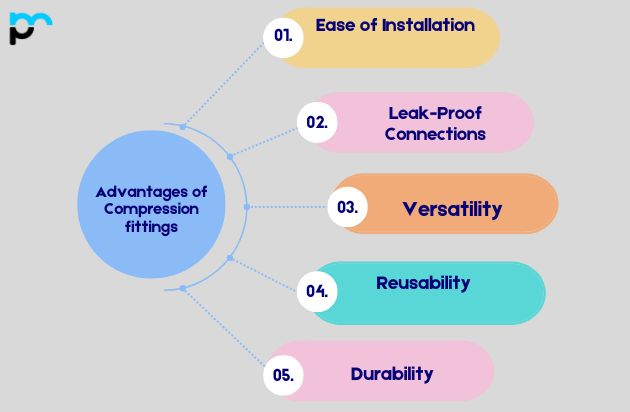
Simple to Fit: Putting in compression fittings is easy, calling for only basic tools and no soldering, welding, or specialist know-how, which makes them approachable for professionals and DIY hobbyists alike.
Leak-Free Joints: With correct installation, compression fittings deliver a dependable, leak-free seal that safeguards the integrity of plumbing and gas systems.
Adaptability: Compatible with many materials such as copper, plastic, and steel pipes, compression fittings work across numerous applications including plumbing, heating, and cooling systems.
Reusability: Compression fittings can be taken apart and put back together with ease and without harming the pipes, permitting adjustments and upkeep without the need to swap out components.
Longevity: Constructed from sturdy materials like brass or stainless steel, compression fittings provide outstanding resistance to corrosion and wear, guaranteeing lasting performance even in demanding conditions.
Compression fittings are susceptible to corrosion, especially when subjected to severe environmental conditions or when paired with incompatible metals in the plumbing system, which can cause galvanic corrosion. That said, fittings constructed from corrosion-resistant materials such as brass or stainless steel are less vulnerable to corrosion. Routine maintenance, such as inspecting and treating affected areas, can help reduce corrosion risks and prolong the fittings’ lifespan. Furthermore, applying protective coatings or anti-corrosion treatments during installation can offer extra defense against corrosion.