ASTM A105 Valve Manufacturer & Supplier in Sao Paulo, Brazil.
ASTM A105 Valve Manufacturer in Rio de Janeiro, A105N Gate Valve, API 6D A105 Globe Valve Suppliers in Sao Paulo, Brazil.
Table of Contents
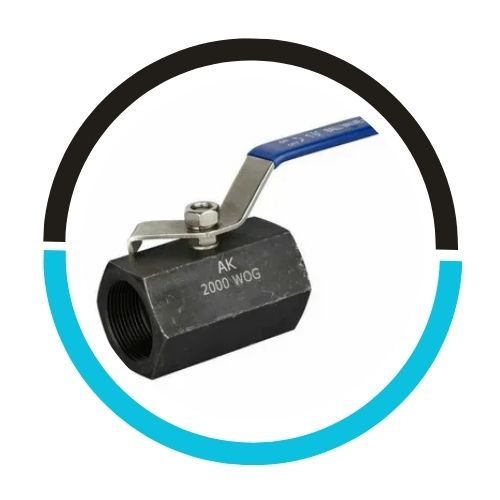
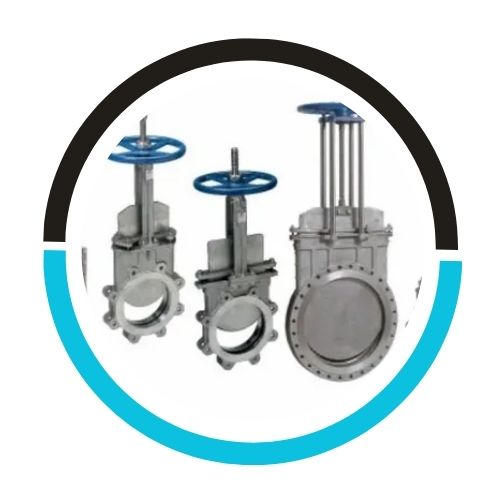
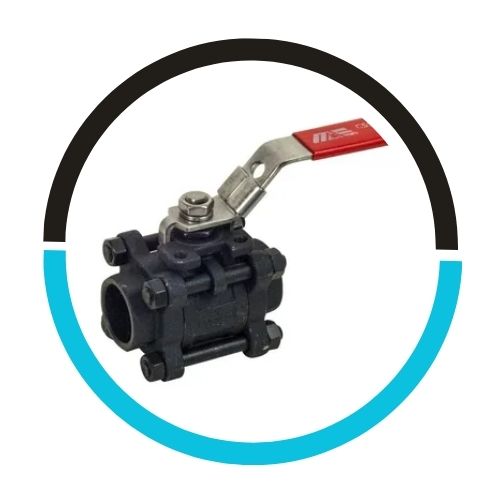
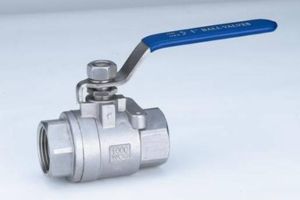
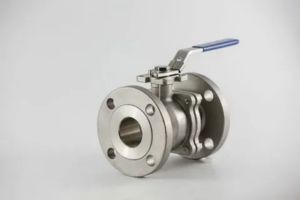
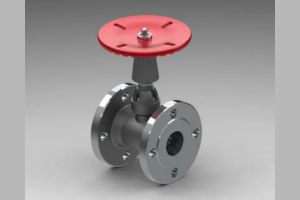
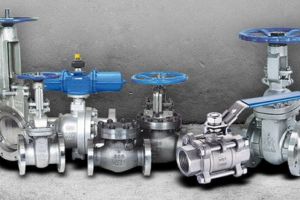
ASTM A105 Valves are forged carbon steel parts recognized for their durability and their ability to withstand wear and corrosion. Commonly employed in sectors such as oil and gas, chemical processing, and power generation, these valves deliver dependable performance in high-pressure and high-temperature environments. They guarantee operational efficiency and safety, which are vital for accurate flow control and satisfying rigorous industry benchmarks for longevity and performance.
Specification of ASTM A105 Valve
Material
ASTM A105
Seal Material
PTFE/ RPTFE
Working Pressure
1.6 – 6.4Mpa
Working Temperature
-29°C — +180°C
Availabe Size
1/2″-4″,(DN15-DN100)
Available Connection
BSP/ BSPT/ NPT/ Flanged/ Welded
Nominal Pressure
P10/PN16
Operation
Manual,Pneumatic, Electric
Suitable Medium
Water,Sewage,Seawater,Gas,Food,Oils,etc
Standards
GB9112,DIN2501,BS4504,ISO2084,ANSI125
Applications
Water, Oil, Gas,
Nominal Diameter
DN40-DN300 handle lever
DN350-DN1200 gear box
Operation Temperature
-10°C~150°C
ASTM A105 Valve Suppliers in Brazil, A105N Gate Valve Supplier in Rio de Janeiro.
Top ASTM A105 Valve Manufacturing Company in Sao Paulo
At Santossteel, we take pride in being the largest supplier and manufacturer in the Brazil, delivering advanced solutions for all your piping requirements. With cutting-edge production facilities strategically situated in the Brazil, we maintain an extensive inventory of more than 25,000 tons of top-quality materials kept ready in stock.
Reach out to us for a fast quote tailored to your requirement.
We provide these ASTM A105 Valve in accordance with DIN, ISO, JIS or ANSI Standard.
A105N Gate Valve Exporter in Brazil, API 6D A105 Globe Valve Stockist in Sao Paulo.
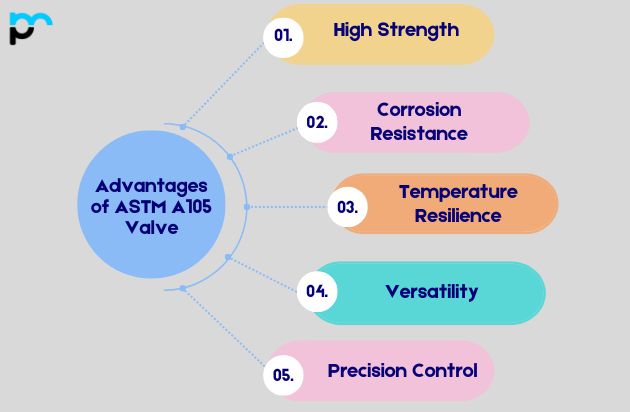
Advantages of ASTM A105 Valve
High Strength: Constructed from forged carbon steel, these valves deliver outstanding strength, which makes them well-suited for high-pressure applications.
Corrosion Resistance: ASTM A105 Valves resist corrosion, guaranteeing durability and dependable performance in harsh environments.
Temperature Resilience: They are able to endure high temperatures, preserving their integrity and performance under demanding conditions.
Versatility: Thanks to their sturdy design and reliability, they are appropriate for a range of industries, including oil and gas, chemical processing, and power generation.
Precision Control: These valves deliver precise control over flow rates and fluid direction, improving operational efficiency and safety.
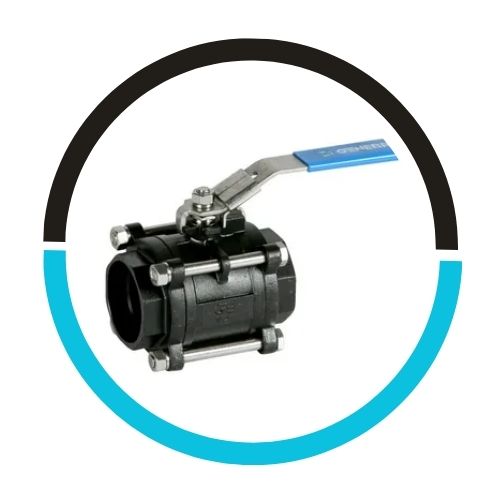
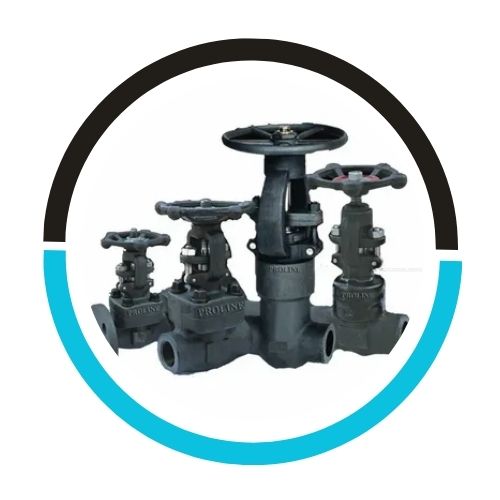
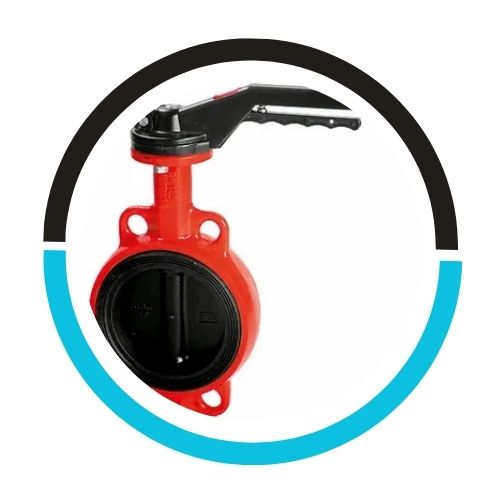
Types of ASTM A105 Valve
ASTM A105 Valve
High Pressure ASTM A105 Valve
Instrumentation ASTM A105 Valve
Socket Weld ASTM A105 Valve
Spring Needle ASTM A105 Valve
Stainless Steel Hydraulic ASTM A105 Valve
Application Industry
ASTM A105 Valve uses are as varied as the sectors they support, led mainly by the aerospace, railway, construction and automotive industries, along with petrochemical, nuclear, medical, Oil & Gas, Chemical, Pharmaceutical, Food & Beverage, Nuclear, Thermal Power plants, Paper and Pulp, marine and mining, etc.
Oil & Gas Industry
Aviation Industry
Petro Chemical Industry
Power Generation Industry
What are the Considerations for Installing ASTM A105 Valve?
When installing an ASTM A105 valve, make sure it is correctly aligned and firmly connected to avoid leaks and guarantee dependable performance. Choose the right valve size and pressure rating to suit the system requirements. Confirm compatibility with the fluid to prevent corrosion or damage. Make sure the valve is positioned correctly for the intended flow direction. Provide sufficient room for maintenance and inspection to enable routine checks and secure long-term efficiency and safety in high-pressure and high-temperature applications.
Price List of ASTM A105 Valve in Rio de Janeiro, Manufacturer Pressure ASTM A105 Valve in Exporter in Rio de Janeiro, Brazil.