ASTM A193 B6 Stud Bolts Manufacturer Supplier & Exporter in Rio de Janeiro, Brazil
Astm A193 B6 Hanger Bolt Price In Brazil, Ss Astm A193 B6 Stud Exporter In Belo Horizonte, Din 1.4006 Fasteners Dealer In Sao Paulo, B6 Ss Step Bolt Supplier In Brazil, Astm A193 Grade B6 Bolts Manufacturer In Rio de Janeiro, Brazil.
Table of Contents
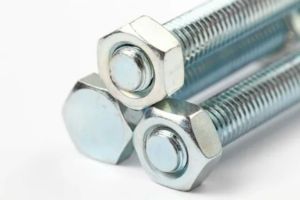
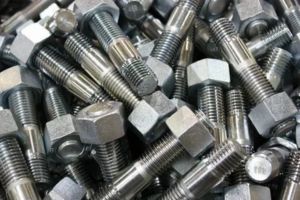
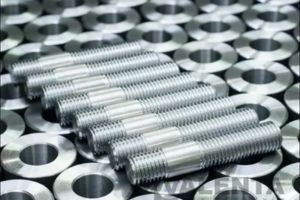
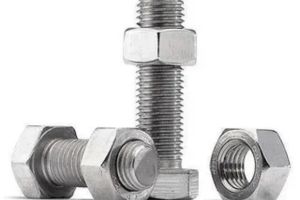
Our firm focuses on supplying a wide-ranging selection of ASTM A193 B6 Stud Bolts obtained from renowned manufacturers celebrated for their skill in making high-quality alloy steel products. These stud bolts serve a vital function in firmly securing different components and come in an extensive array of sizes, grades, and industry standards to satisfy exact customer requirements. Highly regarded across fields like petrochemical and power generation, our premium ASTM A193 B6 Stud Bolts are greatly prized for their outstanding corrosion resistance and remarkable durability. Built with advanced alloys and put through careful heat treatment procedures, these stud bolts are made to improve hardenability, guaranteeing uniform mechanical properties across their whole structure.
ASTM A193 B6 Stud Bolts Specifications
Material
Specification
Standards
Size
Length
ASTM A193 B6 Fasteners
IS
BS
ASTM
DIN, ISO, JIS, GB, IS, BS, ASTM
M 02 to M 160
3 mm to 200 mm
Mechanical Properties of ASTM A193 B6 Stud Bolts
Grade
Size
Tensile ksi, min
Yield, ksi, min
Elong, %, min
RA % min
B7
Up to 2-1/2
125
105
16
50
2-5/8 – 4
115
95
16
50
4-1/8 – 7
100
75
18
50
B8 Class 1
All
75
30
30
50
B8M Class 1
All
75
30
30
50
B8 Class 2
Up to 3/4
125
100
12
35
7/8 – 1
115
80
15
35
1-1/8 – 1-1/4
105
65
20
35
1-3/8 – 1-1/2
100
50
28
45
B8M Class 2
Up to 3/4
110
95
15
45
7/8 – 1
100
80
20
45
1-1/8 – 1-1/4
95
65
25
45
1-3/8 – 1-1/2
90
50
30
45
ASTM A193 B6 Stud Bolts Chemical Composition
Element
B7
B8
B8M
Carbon
0.37 – 0.49%
0.08% max
0.08% max
Manganese
0.65 – 1.10%
2.00% max
2.00% max
Phosphorus, max
0.035%
0.045%
0.045%
Sulfur, max
0.040%
0.030%
0.030%
Silicon
0.15 – 0.35%
1.00% max
1.00% max
Chromium
0.75 – 1.20%
18.0 – 20.0%
16.0 – 18.0%
Nickel
8.0 – 11.0%
10.0 – 14.0%
Molybdenum
0.15 – 0.25%
2.00 – 3.00%
Astm A193 Grade B6 Stud Bolts Price In Brazil, Astm A193 B6 Studs Exporter In Belo Horizonte, Astm A193 B6 Head Bolt Dealer In Belo Horizonte, Socket Cap Screw Manufacturer & Stockist In Sao Paulo, Brazil.
Top ASTM A193 B6 Stud Bolts Manufacturing Company in Sao Paulo
At Santossteel, we take pride in being the largest supplier and manufacturer in the Brazil, delivering advanced solutions for every one of your piping requirements. With cutting-edge production facilities strategically situated in the Brazil, we maintain an extensive stock of more than 25,000 tons of top-quality materials readily on hand.
Reach out to us for a fast quote tailored to your requirement.
These ASTM A193 B6 Stud Bolts are supplied by us in accordance with DIN, ISO, JIS or ANSI Standard.
Get the best price from ASTM A193 B6 Stud Bolts manufacturers & stockist in Brazil, check Astm A193 B6 Head Bolt price per kg in Rio de Janeiro.
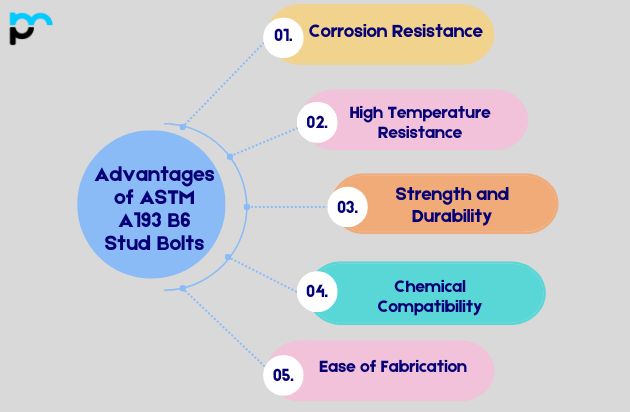
Advantages of ASTM A193 B6 Stud Bolts
Corrosion Resistance: ASTM A193 B6 stud bolts are manufactured from stainless steel featuring an elevated chromium content (usually 12-14%), which delivers outstanding resistance to corrosion, particularly in settings where chloride and sulfide corrosion pose challenges.
High Temperature Resistance: Thanks to their heat-resistant characteristics, these stud bolts work well in high-temperature applications.
Strength and Durability: B6 stainless steel possesses solid mechanical properties, such as high tensile strength and hardness, guaranteeing dependable performance when under load.
Chemical Compatibility: It provides strong resistance against a broad spectrum of chemicals, acids, and alkalis, which makes it appropriate for use across various industrial environments where chemical exposure frequently occurs.
Ease of Fabrication: ASTM A193 B6 stainless steel is comparatively simple to fabricate and machine, permitting customization and accurate fitting across different applications.
Types of ASTM A193 B6 Stud Bolts
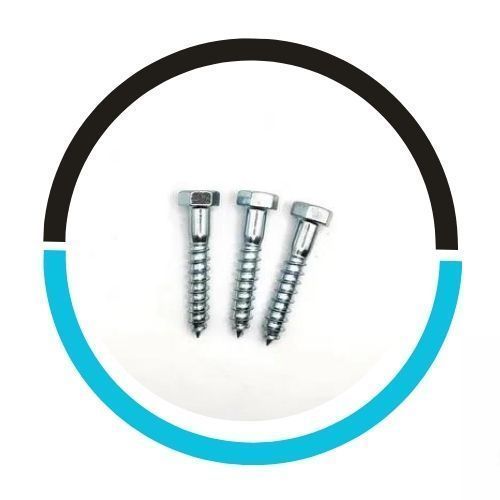
ASTM A193 Lag Bolts
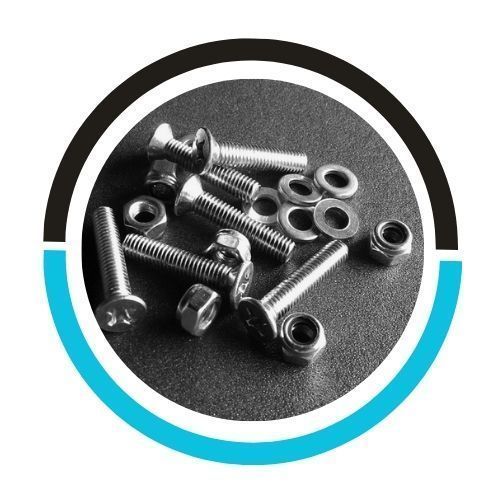
ASTM A193 Carriage Bolt
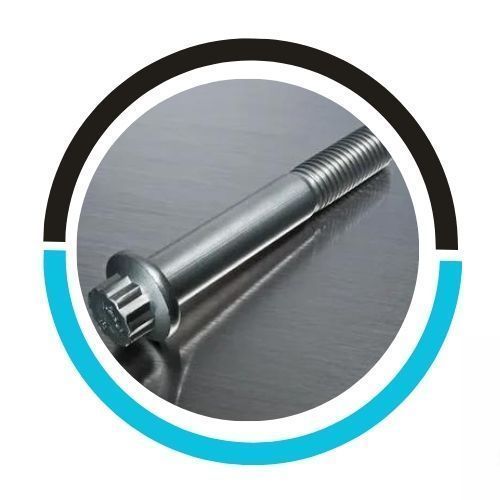
ASTM A193 B6 Hanger Bolt
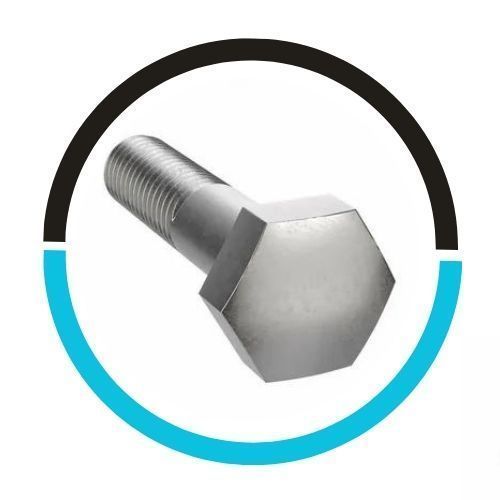
ASTM A193 Hex Head Bolt
B6 Double Ended Stud
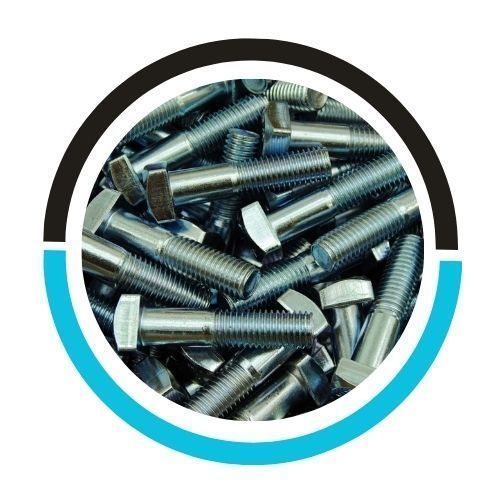
ASTM A193 B6 Stud Bolts
Astm A193 B6 Stud Bolts Price In Brazil, Astm A193 Threaded Rod Dealer In Belo Horizonte, B6 Stud Bolts Supplier In Sao Paulo, Uns S41000 Fasteners Stud Bolts Manufacturer In Brazil, Ss Astm A193 Double Ended Stud Exporter In Rio de Janeiro, Brazil.
ASTM A193 B6 Stud Bolts Uses
Application Industry
ASTM A193 B6 Stud Bolts serve uses as varied as the sectors they support, led mainly by the aerospace, railway, construction and automotive sectors along with petrochemical, nuclear, medical, Oil & Gas, Chemical, Pharmaceutical, Food & Beverage, Nuclear, Thermal Power plants, Paper and Pulp, marine and mining, etc.
Automotive Industry
Construction Sector
Aerospace Applications
Oil and Gas Industry
Are ASTM A193 B6 Stud Bolts Susceptible to galvanic corrosion?
ASTM A193 B6 stud bolts Stainless steel components tend to hold up well against galvanic corrosion. That said, if they come into contact with dissimilar metals in aggressive settings such as seawater, it’s wise to take steps to guard against possible galvanic reactions—for instance, applying insulating materials or choosing metals that are compatible to reduce the risk.